

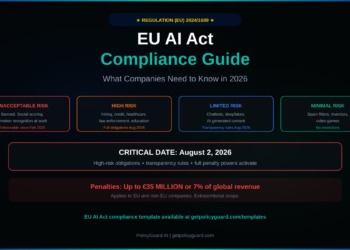
AI Regulatory Compliance: Every Regulation You Need to Know in 2026
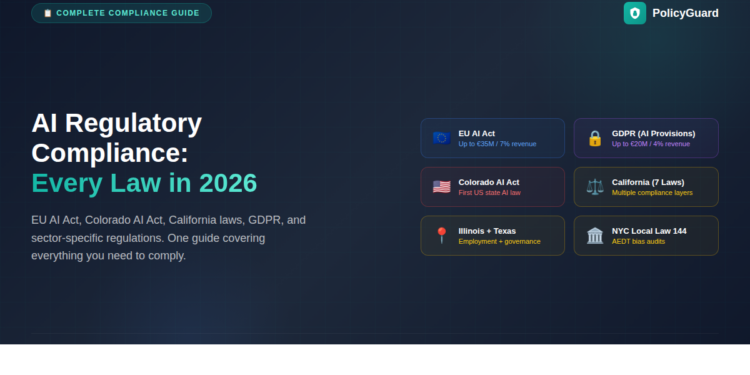
This guide is part of our Complete Guide to AI Policy and Governance. The 2026 AI Compliance Reality Seventy-two countries have launched over 1,000 AI policy initiatives. The European Union enforces binding regulations with penalties reaching 7% of global revenue. Colorado became the first US state to enact comprehensive AI legislation. California has seven active AI laws. Illinois, Texas, and New York have joined...

AI Governance for Healthcare: A Complete Compliance Guide
This guide is part of our Complete Guide to AI Policy and Governance for Companies, the central resource for everything you need to know about AI governance in 2026. Healthcare is adopting AI faster than almost any other industry. From clinical decision support to administrative automation, AI promises to improve patient outcomes while reducing costs. But healthcare is also one of the most regulated...

NIST AI Risk Management Framework: Practical Implementation Guide
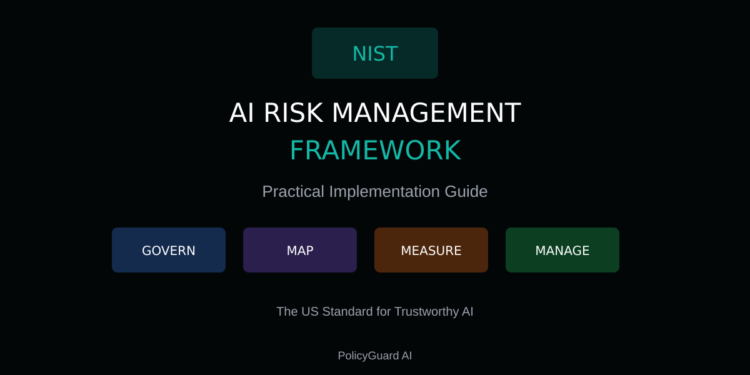
This guide is part of our Complete Guide to AI Policy and Governance for Companies, the central resource for everything you need to know about AI compliance in 2026. The NIST AI Risk Management Framework (AI RMF) has become the de facto standard for AI governance in the United States and increasingly worldwide. Released by the National Institute of Standards and Technology in January...

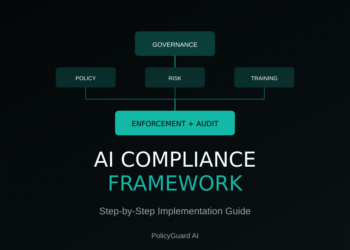
Building an AI Compliance Framework: Step-by-Step Guide
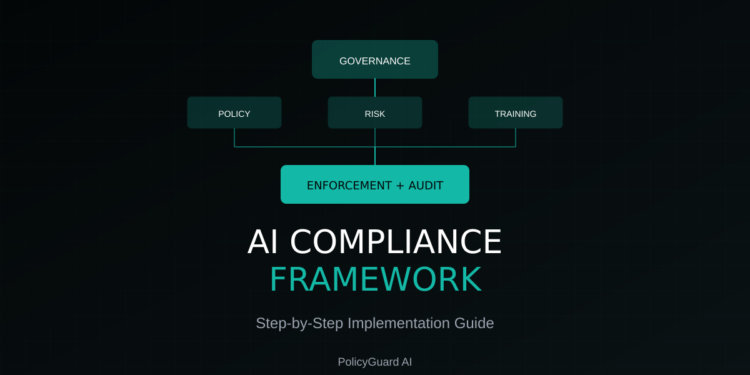
This guide is part of our Complete Guide to AI Policy and Governance for Companies, the central resource for everything you need to know about AI compliance in 2026. An AI compliance framework is the structure that turns good intentions into documented, provable, defensible governance. Without a framework, AI governance is ad hoc. Policies exist in isolation. Training happens inconsistently. Enforcement depends on individual...

AI Risk Management: A Framework for Non-Technical Leaders
This guide is part of our Complete Guide to AI Policy and Governance for Companies, the central resource for everything you need to know about AI compliance in 2026. You do not need to understand how large language models work to manage the risks they create. AI risk management is not a technical discipline. It is a business discipline. The same executives who manage...

Popular
-

The Complete Guide to AI Policy and Governance for Companies (2026)
-
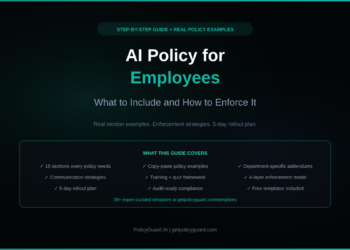
AI Policy for Employees: What to Include and How to Enforce It
-
AI Audit Trail: What It Is and Why Regulators Want One
-
NIST AI Risk Management Framework: Practical Implementation Guide
-
AI Acceptable Use Policy Template: A Complete Guide for 2026